Discover the Versatility of Women's Cashmere Knitwear
A good piece of knitwear earns its place in a wardrobe by being useful. Cashmere happens to bring something more to that equation. Its naturally soft handle gives simple silhouettes a sense of refinement without relying on elaborate details. A plain cashmere sweater can sit comfortably beneath a coat. A fitted cashmere top can work with tailored trousers. A cardigan can be worn buttoned as a top one day and open as a layer the next.
There is also considerable variety within the category itself. Different yarn weights, knitting techniques, necklines and silhouettes create pieces suited to very different wardrobes and seasons. For those who prefer a minimalist approach, a few carefully chosen cashmere knits can form the foundation of numerous outfits without feeling repetitive.
Why Choose Cashmere Knitwear?
Cashmere is often associated first with softness, but its appeal goes well beyond how it feels to the touch.
Softness and Everyday Comfort
One of cashmere's most recognisable qualities is its fine, soft feel. When the fibres, yarn and garment construction are handled well, cashmere can sit comfortably against the skin, which makes it particularly suitable for sweaters, tops and other pieces worn close to the body.
That is especially valuable in simpler wardrobe staples. A crew-neck sweater or sleeveless top may look understated, but the material changes how the garment feels when worn.
Warmth Without Excessive Weight
Cashmere can provide substantial warmth without requiring the heavy, bulky construction associated with some winter knits. This makes cashmere sweaters and cardigans particularly useful for layering. They can add insulation beneath coats and jackets while allowing an outfit to retain a cleaner silhouette.
Lightweight cashmere knitwear offers another possibility altogether. Fine-gauge tops, T-shirts and tanks can provide gentle warmth while remaining light enough for transitional seasons.
Breathability and Natural Comfort
Cashmere is a natural fibre, and its breathable qualities can make it comfortable across changing temperatures. Rather than thinking of all cashmere as heavy winter clothing, it is more useful to consider the weight and construction of each garment. A substantial cashmere sweater may be designed for colder days, while a finely knitted cashmere top can work in considerably milder weather.
Longevity When Properly Cared For
Cashmere is not a garment to treat carelessly, but good knitwear can remain in a wardrobe for many seasons when washed, stored and maintained correctly. Classic shapes also tend to age well stylistically. A simple V-neck, cardigan or roll-neck is less dependent on a particular trend cycle, making cashmere especially suited to wardrobes built around pieces intended to be worn repeatedly.
Types of Women's Cashmere Knitwear
The modern cashmere wardrobe includes considerably more than one type of sweater. Understanding the differences can make it easier to choose pieces according to how you actually dress.
Cashmere Sweaters
The cashmere sweater remains the cornerstone of the category for good reason.
Crew-necks offer a clean, versatile shape that works alone or layered over a shirt. V-necks create a slightly more open neckline and pair naturally with tailored pieces. Turtlenecks and mock necks provide additional warmth and bring a more structured feel to an outfit.
There are also differences in proportion. A fitted sweater can work as a refined base layer, while relaxed and oversized silhouettes offer a more casual interpretation. The best choice usually comes down to what already exists in your wardrobe rather than which style happens to be most fashionable at the moment.
Cashmere Cardigans
Few pieces are as adaptable as a cashmere cardigan. Worn open, it functions as an easy layer over a T-shirt, tank or dress. Buttoned, it can become a top in its own right. Fine cardigans can sit comfortably beneath outerwear, while heavier knits can take the place of a light jacket during transitional weather.
Cropped, longline, fitted and relaxed silhouettes each create a different effect, which makes cardigans particularly useful for adjusting the proportions of an outfit.
Cashmere Hoodies
The cashmere hoodie brings the comfort of familiar casualwear into a more refined material. It works especially well for travel, relaxed weekends and everyday wardrobes where comfort matters but traditional sportswear can sometimes feel too informal.
Pair a cashmere hoodie with coordinating knit trousers for a softer take on a matching set, or combine it with straight-leg denim, tailored trousers or a structured coat. The contrast between the relaxed hooded silhouette and polished pieces is often what makes the outfit interesting.
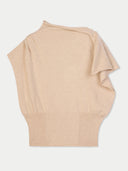
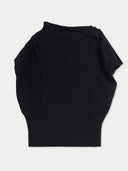
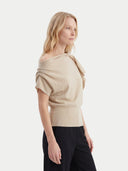
Cashmere Tank Tops and Sleeveless Knits
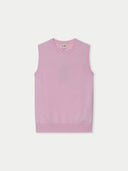
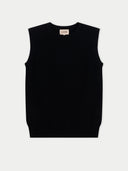
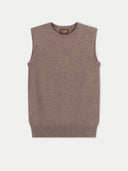
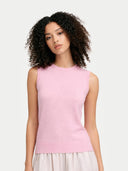
Cashmere tank tops and sleeveless sweaters are among the easiest pieces to layer. During milder weather, they can be worn independently with trousers, denim or skirts. When temperatures change, they sit neatly underneath a blazer, cardigan or coat without adding much bulk around the arms.
A sleeveless knit can also be layered over a shirt for a more traditional look or worn with matching cashmere pieces for a cleaner, tonal approach.
Cashmere T-Shirts and Fine-Knit Tops
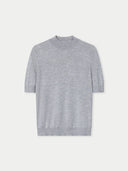
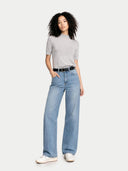
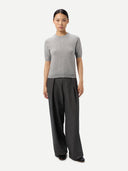
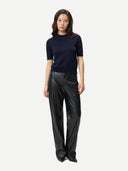
Fine cashmere tops offer an alternative to heavier sweaters for those who want the feel of cashmere in a lighter format.
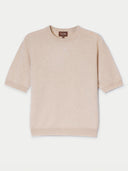
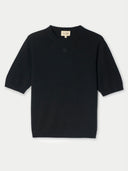
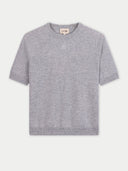
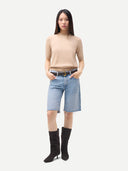
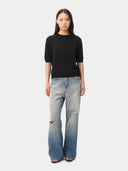
A cashmere T-shirt can replace a standard cotton tee when an outfit calls for something slightly more polished. Long-sleeved fine-knit tops can be tucked into trousers or skirts, while close-fitting silhouettes make useful first layers under cardigans and jackets. These pieces are particularly practical between seasons, when a heavy knit may feel unnecessary but a little warmth is still welcome.
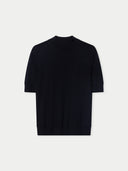
Cashmere Polo Shirts and Collared Knits
Collared cashmere knitwear sits somewhere between casual and tailored dressing.
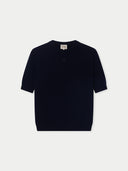
A cashmere polo can work with jeans and loafers on an ordinary day, yet look equally appropriate with tailored trousers or a skirt. Buttoned styles offer even more flexibility, allowing the neckline to be adjusted depending on the rest of the outfit. They are a useful option for anyone who wants something more structured than a crew-neck without moving into formal shirting.
Choosing Cashmere for Different Seasons
Cashmere is strongly associated with autumn and winter, but not every cashmere garment is designed for cold weather.
Lightweight Cashmere for Milder Weather
Fine-gauge cashmere tops, tanks and T-shirts can be useful during spring, early autumn and cool summer evenings. They offer a different experience from heavy knitwear: less about insulation and more about softness, breathability and a light layer of warmth. Paired with linen trousers, denim or skirts, lightweight cashmere can easily become part of a transitional wardrobe.
Midweight Knitwear for Everyday Layering
Crew-necks, cardigans and polos in moderate weights are among the most versatile options. They can be worn alone when temperatures are mild, layered under coats in colder weather and carried into transitional months without feeling overly seasonal. For someone building a cashmere wardrobe for the first time, this is often the most practical place to begin.
Heavier Cashmere for Colder Months
When temperatures fall, more substantial sweaters, turtlenecks, cardigans and knitted hoodies provide greater warmth. Their styling does not need to become complicated. A well-proportioned heavy knit paired with trousers and a long coat can carry an entire outfit. The difference comes through the yarn, construction and silhouette rather than decorative detail.
Quality and Craftsmanship in Cashmere Knitwear
Two garments labelled "cashmere" can feel and perform very differently. Fibre quality matters, but so do the spinning, knitting, finishing and construction that follow.
The Cashmere Fibre
Cashmere comes from the fine undercoat of cashmere goats. Its naturally fine structure is responsible for much of the softness and warmth associated with the material. The character of a finished garment, however, depends on more than fibre content alone. The quality and length of the fibres, how they are sorted and processed, the yarn construction and the way the garment is knitted all influence its final feel and durability.
Construction and Finishing
Good knitwear deserves attention beyond the surface. Look at how the garment sits around the shoulders, neckline, cuffs and hem. Ribbing should return comfortably to shape, seams should feel considered, and the garment should hang naturally when worn.
Different knitting methods create different results. Some pieces are deliberately lightweight and fluid, while others are constructed with more body and structure. Neither is inherently better; what matters is whether the construction suits the purpose of the garment.
Fit and Silhouette
Cashmere knitwear does not need to fit closely to look polished. A relaxed sweater should still have intentional proportions. An oversized cardigan should feel generous rather than simply too large. Likewise, a slim-fitting cashmere top should follow the body comfortably without unnecessary pulling.
Consider how the piece will actually be worn. If it is intended for layering beneath jackets, a finer fit may be useful. If it will serve as an outer layer, additional room can make more sense.
GOBI Cashmere Knitwear
At GOBI, cashmere knitwear begins with Mongolian cashmere and is developed into pieces intended to become part of everyday wardrobes. The collection ranges from familiar knitwear staples to more contemporary interpretations of cashmere dressing, including sweaters, cardigans, sleeveless pieces, fine-knit tops, polos and relaxed styles.
Rather than treating cashmere only as occasion wear, the focus is on creating pieces that can move between settings and seasons: something to wear with tailoring during the week, denim at the weekend or layered outerwear once temperatures begin to fall. Attention to fibre, construction and finishing allows even the simplest silhouette to feel considered.